What is Bitcoin? A Complete Beginner's Guide to BTC in 2026
Bitcoin (BTC) is the first decentralized cryptocurrency. Learn how Bitcoin works, why it has value, and how to safely buy your first BTC in under 10 minutes.

Bitcoin is the world's first decentralized digital currency. Launched in January 2009 by an anonymous developer (or group) using the pseudonym Satoshi Nakamoto, it lets anyone send value across the internet without going through a bank, payment processor, or government.
Unlike the dollar or euro, Bitcoin has a fixed supply of 21 million coins — that hard cap is enforced by code, not policy. This scarcity is the main reason BTC is often compared to digital gold.
How does Bitcoin actually work?
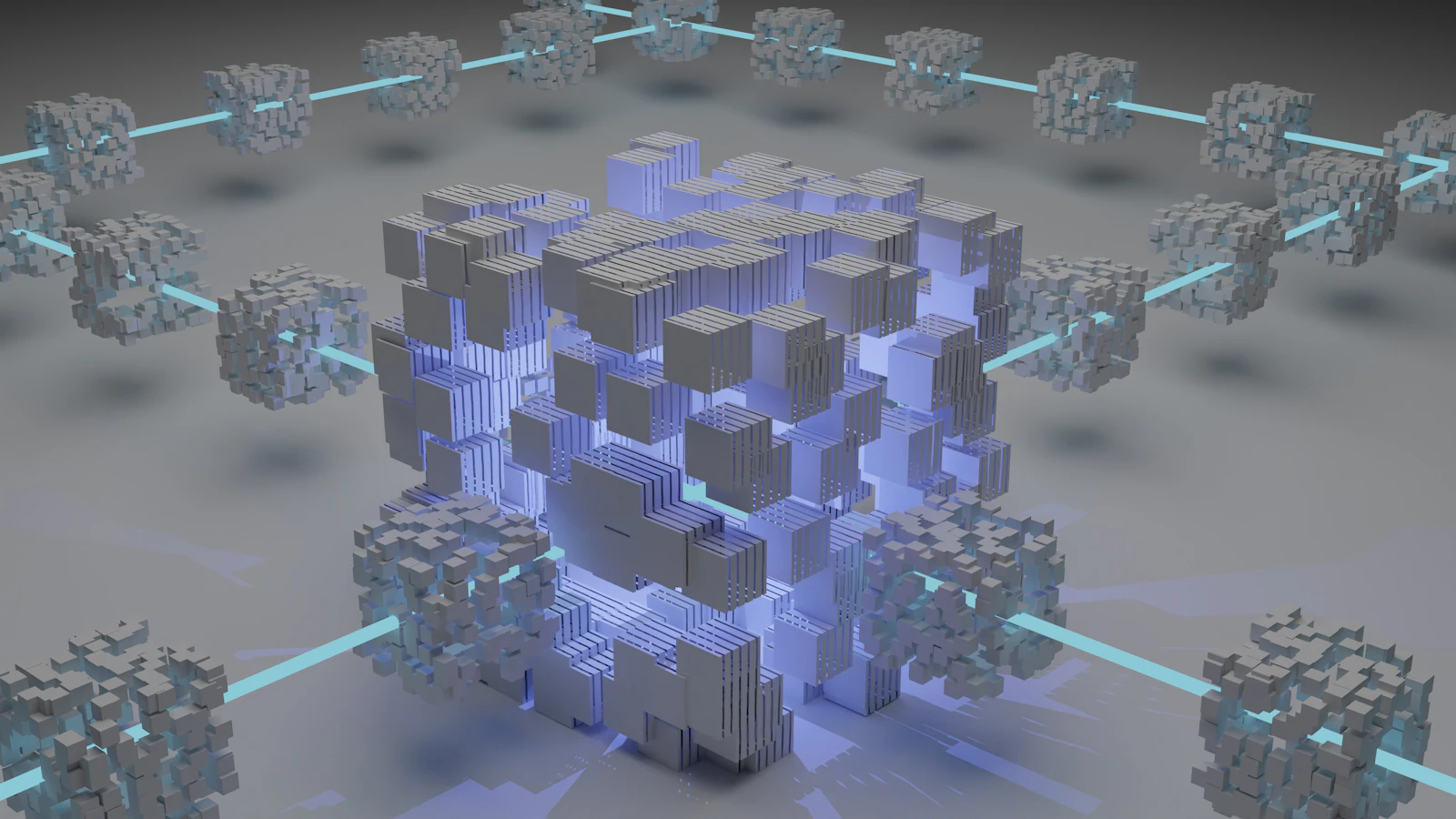
Every Bitcoin transaction is recorded on a public ledger called the blockchain. The blockchain is maintained by tens of thousands of computers (called nodes) around the world, all running the same open-source software. Special participants called miners compete to add new blocks of transactions to the chain by solving energy-intensive math puzzles — that's proof-of-work.
Once a block is added, it's effectively impossible to change without redoing all the work that came after it. That's why Bitcoin transactions are considered final after about 60 minutes (6 confirmations).
Why does Bitcoin have value?
- Scarcity — only 21M coins will ever exist.
- Decentralization — no single entity can freeze, censor, or print more BTC.
- Network effect — over 200 million people own Bitcoin worldwide.
- Self-custody — you can hold your own keys, no permission needed.
- Liquidity — BTC trades 24/7 with billions in daily volume.
How to buy your first Bitcoin
The fastest way to buy BTC is on a regulated exchange. Create an account, complete identity verification (KYC), deposit funds via card or bank transfer, and place a buy order. On Nomoex, you can buy as little as $10 worth of Bitcoin with one tap and have it credited instantly.
Is Bitcoin safe?
The Bitcoin network itself has never been hacked in 16+ years of operation. The risks you should care about are: (1) losing your private keys, (2) sending BTC to the wrong address (transactions are irreversible), (3) custodial exchanges getting hacked, and (4) phishing scams. Use 2FA, a hardware wallet for long-term storage, and only trade on licensed platforms.
Final thoughts
Bitcoin is the simplest, most-tested entry point into crypto. If you want exposure to the asset class without the complexity of DeFi or altcoins, start with BTC, hold for at least one full market cycle (about 4 years), and ignore the daily noise.